A podcast media kit is necessary for a podcast to receive sponsorship or ads. This document or infographic includes important information about your podcast and helps potential sponsors or advertising companies understand why it’s a perfect fit for their advertising needs. This process eventually makes your podcast profitable and increases brand authority.
In this article, we’re going to talk about podcast media kits and give examples and templates that will benefit you.
What is a Podcast Media Kit?
A podcast media kit is a file typically presented to companies and brands that want to sponsor your podcast. This document will provide them with all the information they need to decide whether to proceed with the sponsorship.
When presenting the kit to potential sponsors, you may also include a section on how your podcast can reach the company's or brand's customers. However, companies aren’t the only people who would receive a media kit from your podcast. People that you may also send your media kit to are:
- Podcast networks. You would send this information to them if you want to join their network, so they know you bring value.
- Guests or collaborators. Having your podcast media kit would help a potential guest understand your show’s topic, culture, and audience reach.
- PR and marketing teams. You can send your podcast media kit to a PR company or marketing team to help with promotion and brand visibility.
Who Creates a Podcast Media Kit?
You can create a podcast media kit for yourself using word processing and content creation software. However, it’s always best to let your podcast production company create your media kit. With experience in the behind-the-scenes aspects of podcasting, they can put together a professional podcast media kit that will attract real opportunities.
At Saspod, we provide podcast media kits for our clients.
Common information in a podcast media kit is:
- The host. It’s important for companies to know who the podcast's host is. They can research the host and their reputation to ensure they aren’t a controversial figure.
- The topic of the podcast. Some companies may not want to advertise their products on certain kinds of podcasts. For example, a makeup brand might not want to advertise its product on a sports podcast because the audience may not be desirable to them.
- Subscriber count. While you don’t need a million subscribers to get a sponsorship, it’s still important to have a substantial number of subscribers to be desirable to brands.
- Average download count. Rather than subscriber count, some sponsors are more interested in downloads. It’s also important to include this information because it shows how your listeners interact with your podcast and is another way to measure engagement. You can get all that information from your podcast hosting platform.
- Average listener count. This is essential information to include because it shows how many people tune into your podcast. Your subscriber count shows how many people are subscribed to your podcast, but not everyone who listens to podcasts subscribes, so your listener count can increase the likelihood that you get sponsorship.
- Social media following/engagement. Your social media following is an asset to your podcast's value. It’s important to show this to potential sponsors so they understand the exposure their brand could gain.
- Audience demographics. Understanding your audience's age, gender, race, and location can help brands determine whether your listeners are likely to purchase their products or services. If your audience is 18-24-year-old men, they may not be interested in a facial from a med spa. Therefore, that business may decline to sponsor your podcast. Or, your demographic could be 18-24-year-old women, in which case that would be a more desirable demographic for that business.
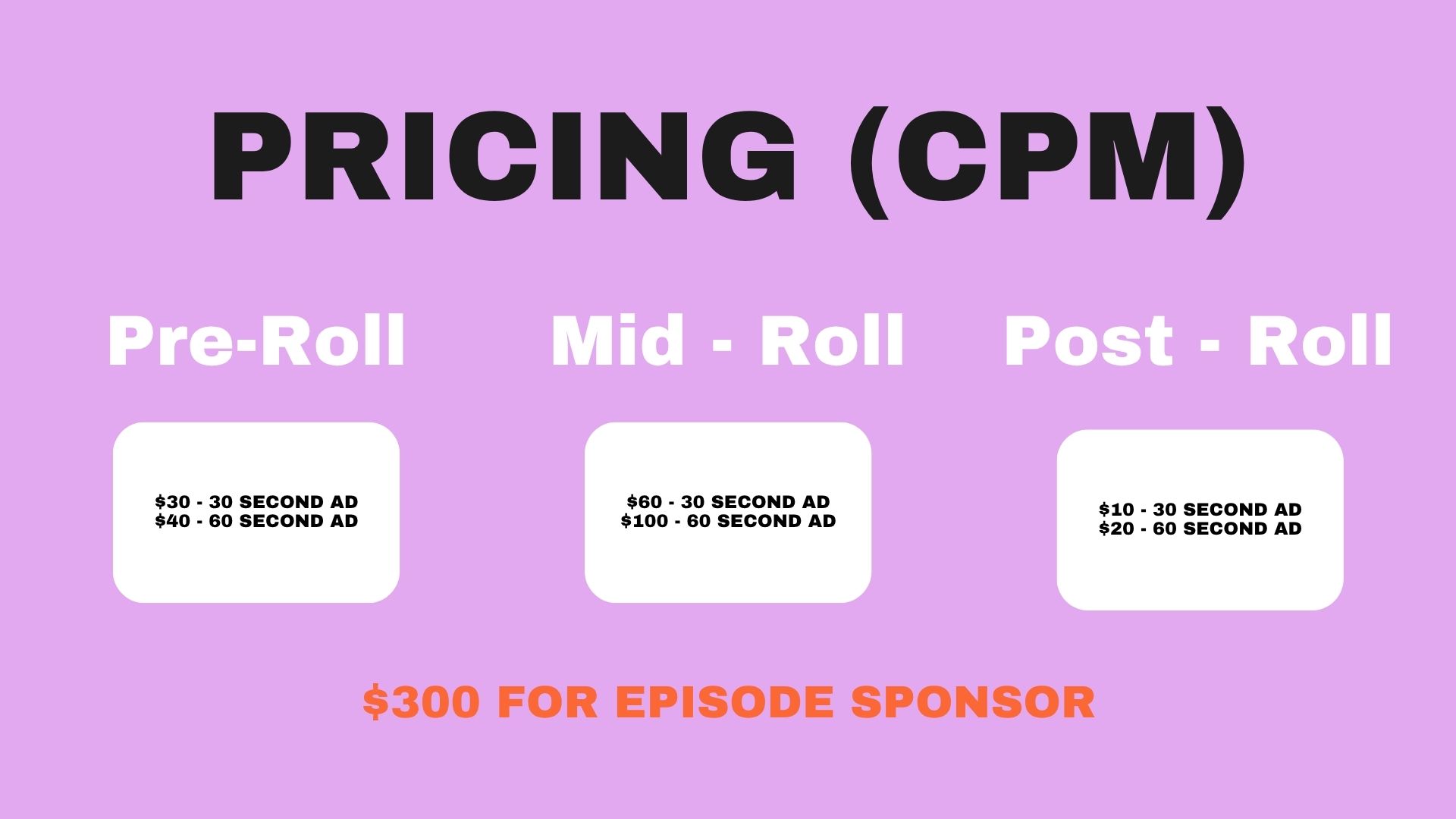
- Pricing. You should provide pricing options/tiers to your potential sponsors. This will allow them to know how much they can expect to pay for your services. Normally, this is categorized into pre-roll ads (at the beginning of the podcast), mid-roll ads (in the middle), or post-roll ads (at the end). Normally, mid-roll ads are the most expensive, then pre-roll, and post-roll is the least expensive. Some podcasts will also simply charge a flat rate per episode or for sponsoring an entire episode.
- Testimonials. You’ll want to include testimonials and good reviews from past sponsors, which gives the brand you’re working with confidence. Including testimonials will also boost your credibility.
This information will help brands and companies make informed decisions about whether to sponsor your podcast. Sponsors and advertisers often prefer to work with the same podcasts, shows, or influencers because they trust them and their audiences. So, once you get a sponsor, they may ask to work with you again, and that will turn into steady income.
When you start getting sponsors, it then becomes easier to procure even more. This is especially since you’ll have more statistics to prove your profitability to brands.
Podcast Media Kit Examples
There is no one way for a media kit to look. You can make it colorful or simple, or go really creative or keep a clean look. You can also just submit it as an informative PDF. Either way, you have to include specific information in the document in order for it to be effective.
Here are three examples of how podcast media kits can look:
Podcast Media Kit Example One: Infographic
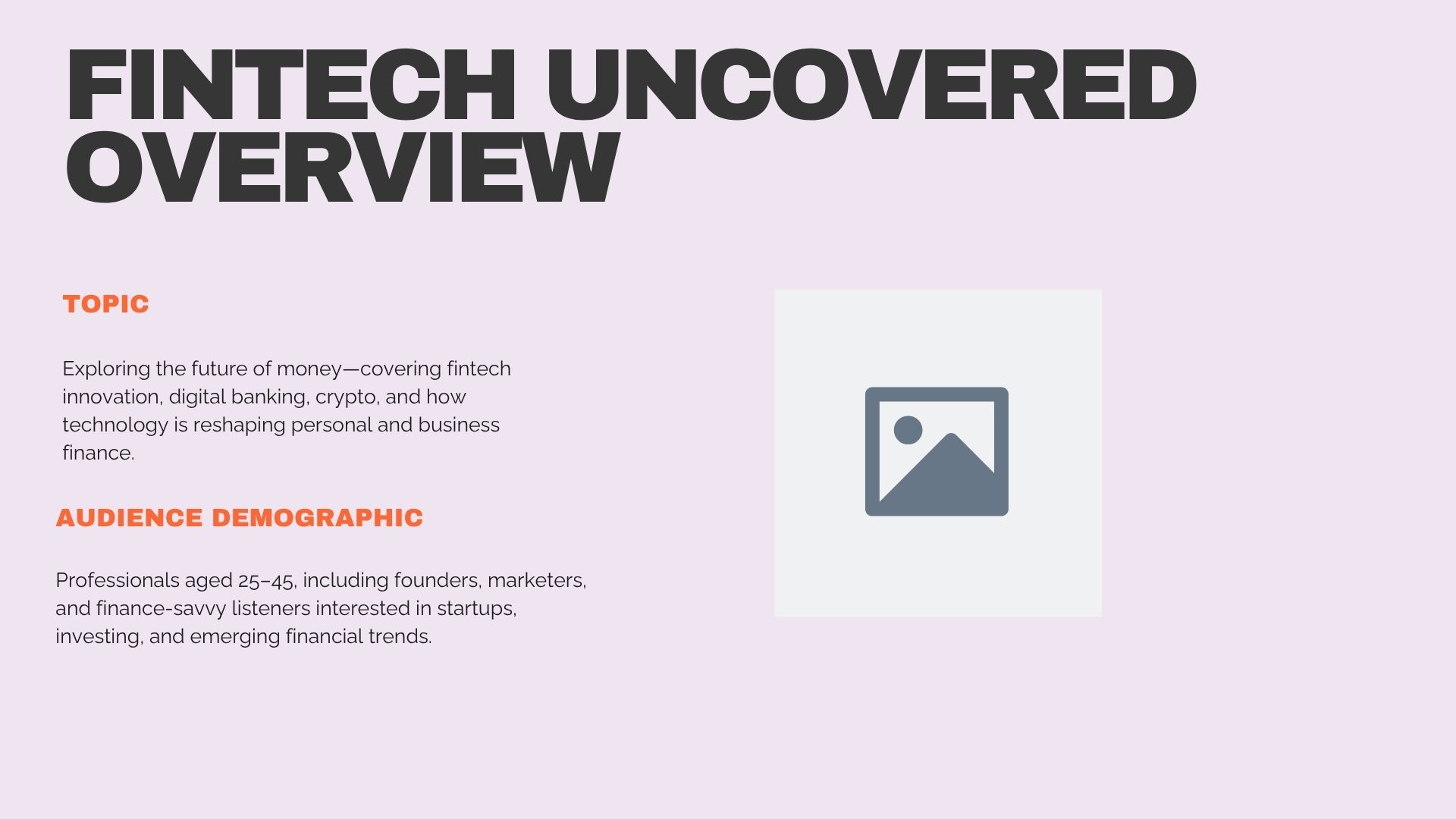
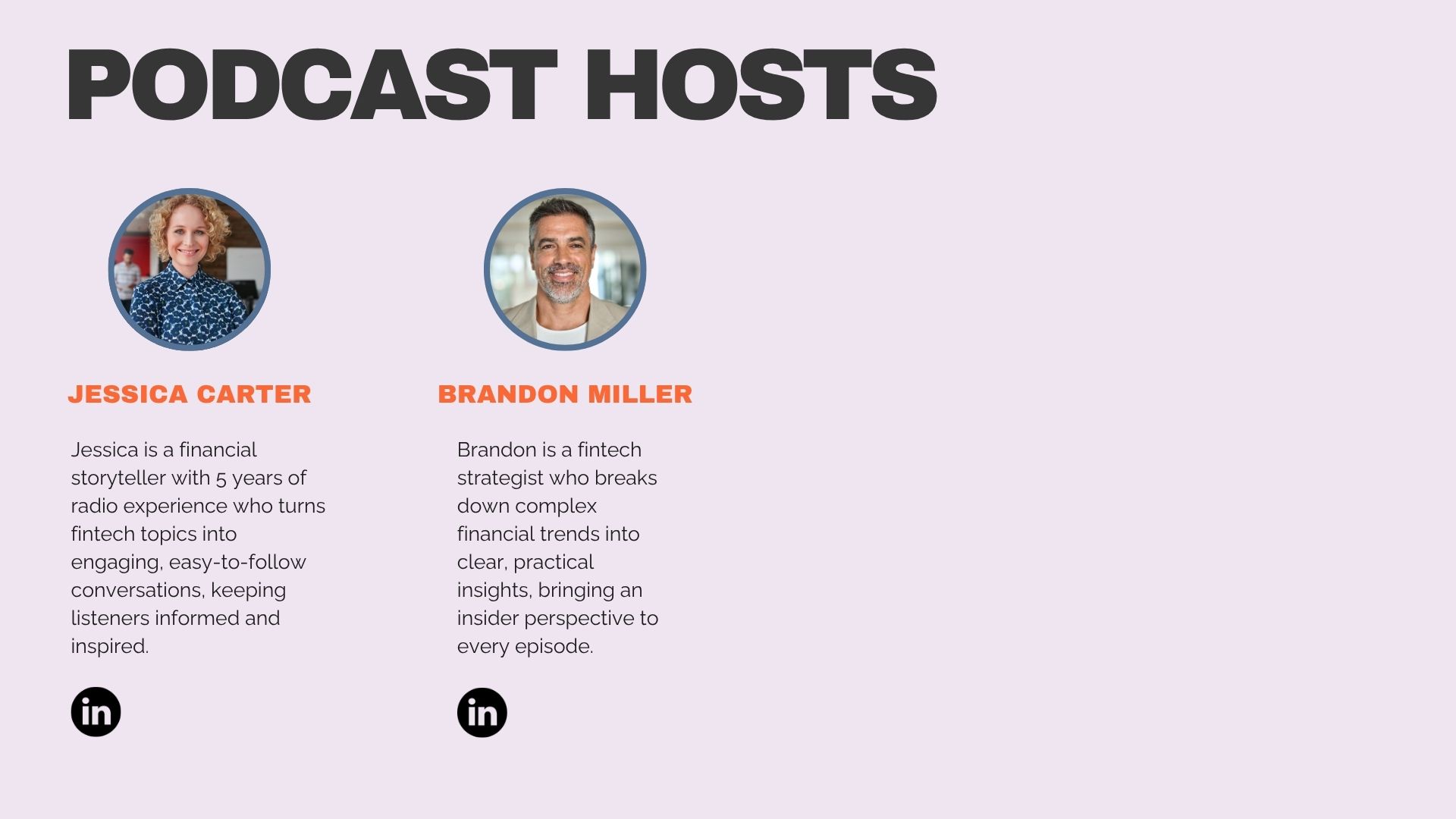
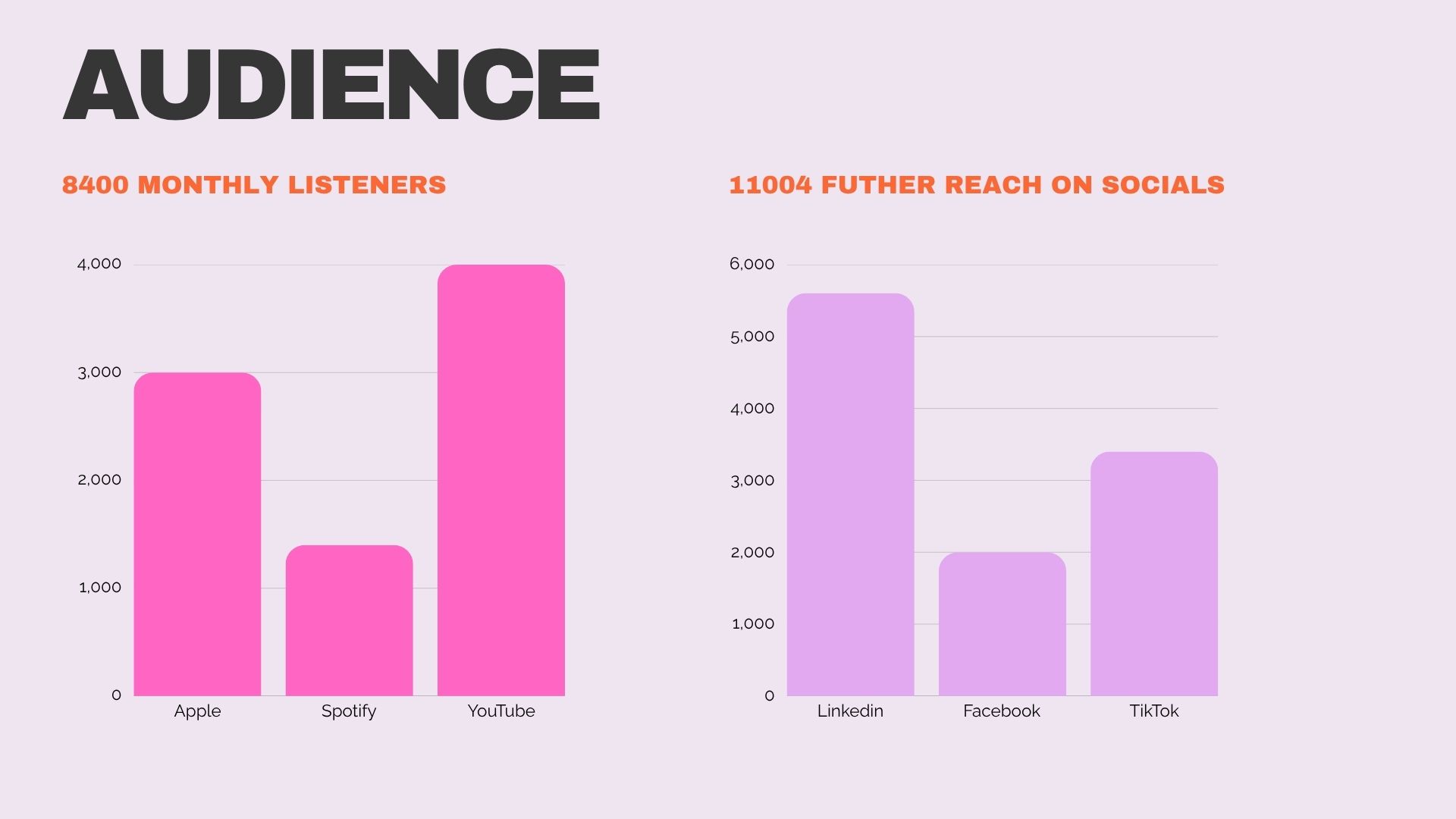
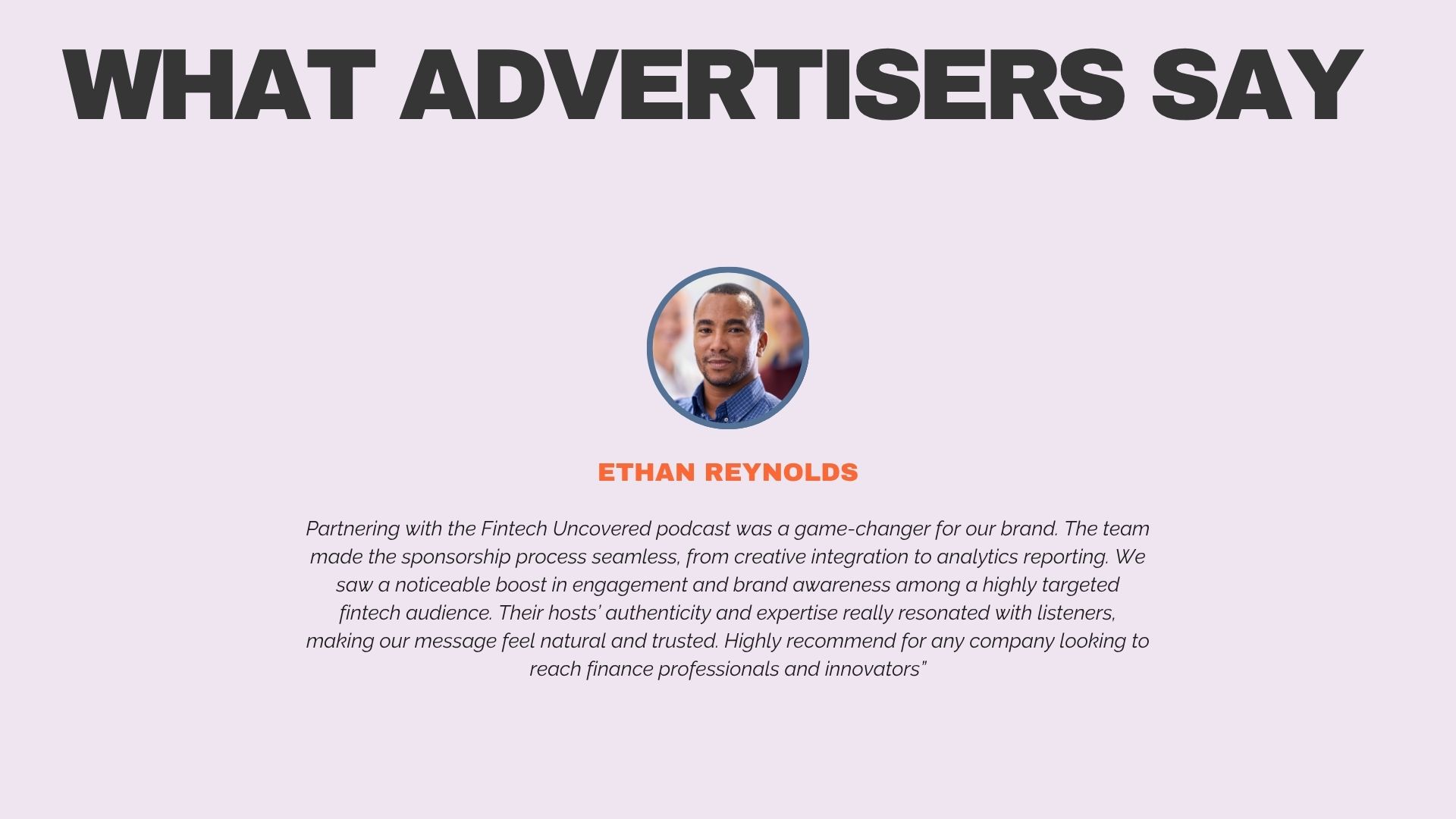
These are just examples. In your actual media kits, you’ll want to include your podcast's logo and any official photos you have. It would also be helpful to include photos of the host(s), especially if you also do video podcasts. Ensure you also include testimonials from past sponsorships. Ideally, these testimonials will have positive reviews of working with you.
You should also include pricing so it’s easy for your potential sponsors to see what your services will cost.
These prices are CPM, which means “cost per 1,000 downloads.” So if a company asks for a 30-second mid-roll ad, and you have 3,000 downloads, you would get paid $180. And of course, these prices are just an example; you can set your prices as you see fit.
Podcast Media Kit Example Two: Plain PDF
“Really Awesome Podcast: Overview
Topic – Really Awesome Podcast is a show where our two hosts discuss topics chosen by our social media following.
Hosts – Bob XYZ and Minnie ZYX are the lovely hosts of our podcast.
Audience Demographics – Our audience is split about 50/50 between men and women. The ages of our audience are 18-35, with a lean towards the younger end of that age group. Our audience is also mainly in the United States.
Subscriber Count – We are proud to have 200k subscribers on Apple Podcasts and 175k subscribers on YouTube.
Price Tiers (CPM) –
- Pre-roll – $30 for a 30-second ad, $40 for a 60-second ad
- Mid-roll – $60 for a 30-second ad, $100 for a 60-second ad
- Post-roll – $10 for a 30-second ad, $20 for a 60-second ad
- Episode Sponsorship – $300”
Even if you aren’t going the infographic route, you’ll still want to include your podcast's logo and at least one picture.
Podcast Media Kit Example Three: Personal Website
Rather than use an infographic or PDF, you can simply use a Notion board or a Wix website. You can create separate pages dedicated to the elements you need for your podcast media kit. This method is more modern and can allow brands to keep track of the media kits they are sent more easily.
Notion allows you to lock your board so visitors can’t edit it. Wix lets you lock your entire website with a password, so only people you want to see it can access it.
Podcast Media Kits and Why They’re Important
Podcast media kits are almost like business proposals. No matter who you’re presenting it to, you’re selling your podcast to that person or company. You’re trying to get them to invest in you and your brand, getting them to trust that if they work with you, they’ll be satisfied with the outcome. This is why it’s important that your media kit is done well, looks professional, and includes a personalized, unique pitch.
It’s important to keep the pitch short but informative. You want to emphasize why your podcast will be effective in advertising their brand. If a brand reaches out to you first, it’s safe to assume that they’re aware of how your podcast can be beneficial to them, so you won’t need to include a pitch. Though you will still need to send them the media kit.
For advertisers, influencers, and podcasts, ads are their bread and butter, just like they are for you. According to Gitnux, 67% of podcast listeners are more likely to buy products advertised by hosts they trust. This is why so many brands want to get their products or services advertised on a podcast. You don’t have to be extremely popular; having a dedicated and steady listener base is enough.
The Value of Media Kits in Other Industries
Media kits are not just for podcasts; many other media industries use them for the same purposes and have done so for years.
While media kits are usually PDFs or digital infographics, that wasn’t always the case. Media kits first became popular in the 20th century, around the time radio and TV were gaining traction, back then media kits would have been physical files. These days, there are so many ways for people to receive advertisements: social media, podcasts, streaming services, etc. You could be listening to music and suddenly hear an ad for coffee or the newest phone in between songs; it’s the golden age for advertising. However, back then, the avenues for ads were more limited. The most popular of these were TV and radio.
People would listen to the radio on their way to work, and families would gather in front of the TV at night. It was the perfect time to garner brand awareness and a loyal customer base. Media kits were a step in making these advertisements happen, and they still are.
The content of media kits in other industries may vary.
Here are some industries and professions that use media kits.
- Influencers. Whether it’s Instagram, YouTube, or TikTok, influencers use media kits when seeking brand deals. Companies will ask influencers to make targeted posts about their products, and to demonstrate the value of their platform, influencers will present a media kit.
- Magazines and newspapers. They will use media kits to present their subscriber count, readership, and audience demographics. Instead of sponsorship, magazines and newspapers sell advertising space on their pages. It keeps your favorite magazine in business!
- Online publications, blogs, and websites. Putting together a media kit will allow these websites to sell advertising space on their digital pages. Have you ever been to a website and seen ads? More than likely, they had to present a media kit to those advertisers to make that happen.
Media kits are beneficial across industries because advertising and sponsorship are two of the main ways they generate revenue.
Podcast Media Kits Vs. Podcast Press Releases
While they may seem similar, media kits and press releases are different and serve different purposes. We’ve talked about how media kits are used for podcast marketing, securing sponsorships, and partnering with other creators or brands. However, press releases don’t have the wide range of use like media kits do.
Press releases are intended to notify the media of news regarding your business or, in this case, your podcast. If you’re launching a new podcast, getting ready to release a new season, or are having a very special and notable guest, you’d want to do a press release. The people who receive these are usually blogs, digital publications, PR teams, or influencers you may hire to promote your podcast.
Essentially, the difference between a podcast media kit and a podcast press release is that the media kit is meant for advertising and sponsorship, while the press release is for informational purposes.
Ensuring Your Podcast Media Kit is Prepared
Getting your podcast media kit set up is important for ensuring that your podcast can be monetized and profitable. It’s important to have one on hand, so even if you have to create a unique pitch for a brand, you’ll still have all of the necessary information and pricing available should an opportunity arise or if a brand reaches out.
Comments
No comments yet!